Washington Quarter (Clad)
THE COPPER-NICKEL WASHINGTON QUARTER, 1965 TO 1977
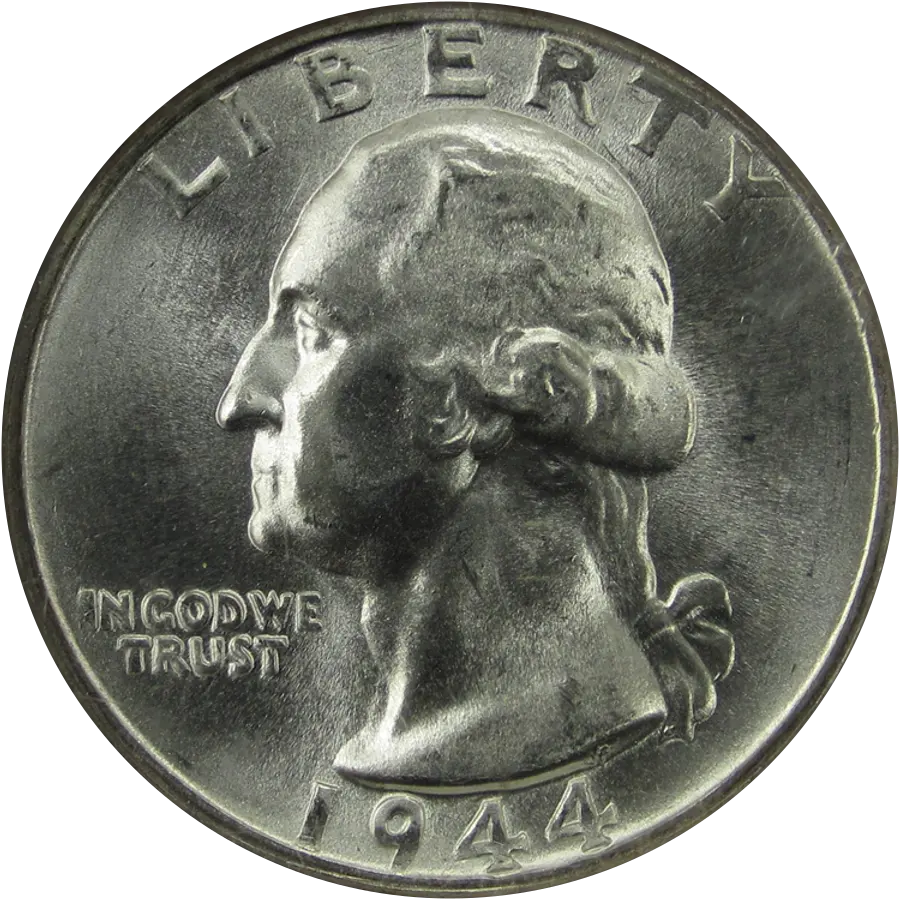
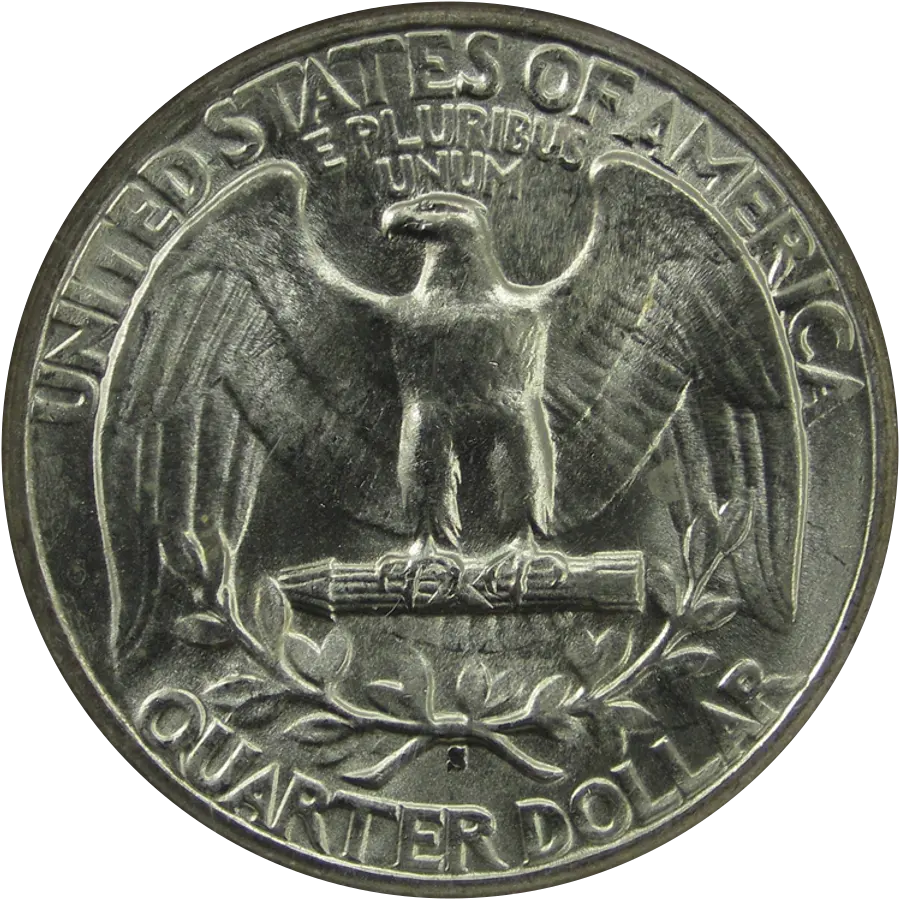

No major key dates. Value here follows condition and metal content.
Prices are MS-63 estimates, Oct 2026. A photograph appears below where we hold a public-domain photo of that exact date and mint; other issues show a medallion here, and their page shows the nearest type coin, labelled.
1960s
7 issues1970s
14 issuesNo issues match those filters.
Soon
In preparationValues are Lustre editorial estimate, Oct 2026, not market data. Medallions stand in for issues without a photograph of that exact date; each value page shows a labelled type coin. How we estimate.
The Washington Quarter (Clad), in brief
The Coinage Act of 1965 took silver out of the quarter. From 1965 the Washington quarter is copper-nickel clad over a copper core, 5.67 g, and weighs less than the 6.25 g silver coin it replaced. Quarters of 1965, 1966 and 1967 carry no mint mark at all. Mint marks returned in 1968, on the obverse, but Philadelphia coins still had none, which is why a 1977 quarter with no mint mark is normal. This page covers 1965 to 1977, including the 1776-1976 Bicentennial quarter. Silver quarters are in the Washington Quarter series (1932 to 1964).
A quarter dated 1965 or later is not silver, and in circulated condition it is worth 25 cents. These quarters are very common: 1.8 billion were struck in 1965 alone. Uncirculated coins and proofs sell for a few dollars, and only genuine mint errors bring real money. If your quarter has a copper stripe on the edge, it is clad.
- Designer
- John Flanagan
- Composition
- 91.67% copper, 8.33% nickel (clad)
- Mint marks
- Philadelphia, Denver
- Key dates
- None
Washington quarter, Wikipedia: composition, weight, diameter, designer, mint mark position and years, the 1976 Bicentennial design.
Washington quarter mintage figures, Wikipedia: mintage (business strikes), 1965 to 1977.
Lustre editorial grade-value estimates, Lustre: grade value ranges (estimates, not market data).
gold-api.com spot prices (reference level for estimates), gold-api.com: reference spot prices behind the estimates.