How to spot a fake silver coin
Check the weight and width first: a real Morgan dollar weighs 26.73 g and is 38.1 mm wide.
- Morgan or Peace dollar
- 26.73 g
- 38.1 mm wide, 90% silver
- American Silver Eagle
- 31.103 g
- 40.6 mm wide, 99.9% silver
- Silver, density
- 10.49
- grams per cubic centimeter
Most fakes miss on weight, size or density. These checks cost almost nothing and take a few minutes. None of them proves a coin is real, but a coin that fails one is a coin to leave alone.
Weight and size
You need a scale that reads to 0.01 g and a caliper. Compare the coin with the official figures below. A worn coin can be slightly light. A coin that is clearly off is a warning sign.
| Coin | Weight | Width |
|---|---|---|
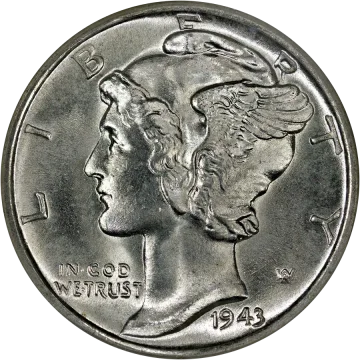 Mercury dime, 1916 to 1945 | 2.50 g | 17.9 mm |
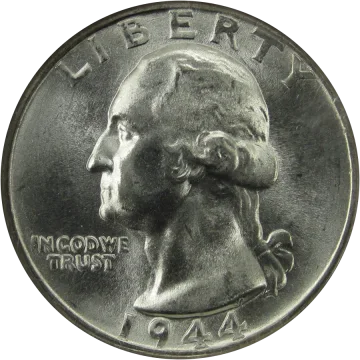 Washington quarter, 1932 to 1964 | 6.25 g | 24.3 mm |
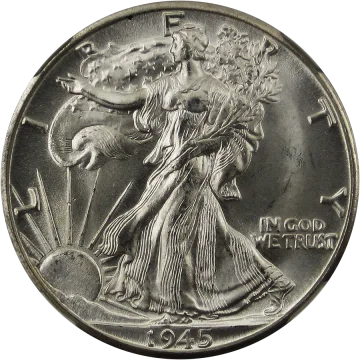 Walking Liberty half dollar | 12.50 g | 30.6 mm |
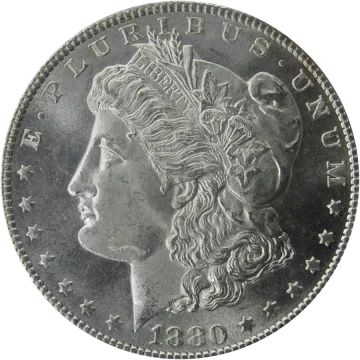 Morgan dollar | 26.73 g | 38.1 mm |
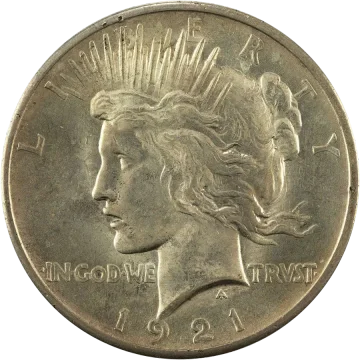 Peace dollar | 26.73 g | 38.1 mm |
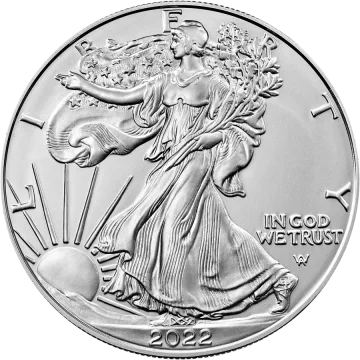 American Silver Eagle | 31.103 g | 40.6 mm |
Source: US Mint coin specifications. Silver Eagles are 99.9% silver; the older coins are 90% silver and 10% copper.
The magnet slide test
Silver is not magnetic, but a strong magnet still acts on it. A moving metal that is a good conductor makes small electric currents that slow it down. Tilt a smooth board or a plastic ruler at about 45 degrees, tape a strong magnet (neodymium works best) along it, and slide the coin down next to the magnet.
- A real silver coin slides down slowly, as if it is dragged.
- A clad or base-metal coin slides down faster.
- A coin that jumps to the magnet is steel or iron, and is not silver.
Compare with a coin you know is silver, such as a 1964 quarter, and a coin you know is not, such as a 1980 quarter. The test only compares coins. It does not give a number.
Density
Density is weight divided by volume. Pure silver is 10.49 g per cubic centimeter. A 90% silver coin, which is 10% copper, works out to about 10.3. Copper is 8.96 and nickel is about 8.9, so a copper-nickel clad coin is lighter for its size, and many fake metals are lighter still.
- Weigh the coin dry. Call this A, in grams.
- Put a cup of water on the scale and set the scale to zero (tare).
- Hang the coin from a thread and lower it into the water. It must be fully under water and must not touch the sides or bottom. The scale now reads the weight of the water the coin pushed aside. Call this V. One gram of water is one cubic centimeter, so V is the coin’s volume.
- Density is A divided by V.
A Silver Eagle should give about 10.5 and a 90% silver coin about 10.3. A fake plated with silver usually gives a clearly lower number. The reading is small (a Morgan displaces about 2.6 g of water), so use a scale that reads to 0.01 g and keep the thread thin.
Altered and added marks
Some real silver coins are not fakes of the whole coin. They are common coins changed to look like a rare date or mint mark. A mint mark can be added to a plain coin, or a date can be changed. These coins are worth the price of the common coin, not the rare one.
- Look at the mint mark with a loupe. An added mark often sits on a flat or scratched patch, or has edges that look different from the surrounding metal.
- Compare the shape and size of the mark with a picture of a real coin from the same series. The coin pages show the date and mint mark for every issue.
- Be careful with any key date that is offered at a price well below the guide value.
Before you buy or sell
A coin worth hundreds of dollars should be checked by a person. Take it to a dealer with a good reputation, or send it to a grading service, which checks authenticity as well as grade. Buy valuable coins from sellers who take returns. For coins that are only worth their metal, the silver check and the melt calculator are enough to see what you have.
Not investment advice. Lustre is not investment, tax or legal advice. Prices move and you can lose money buying metals or coins. Read the editorial policy to see how prices and figures are sourced.
Quick answers
Can a magnet tell me if a silver coin is fake?
It can catch some fakes, not prove a coin real. Silver is not magnetic, so a coin that jumps to a magnet is not silver. Many fakes are made of non-magnetic metals too. A strong magnet can also be used for the slide test, which is described above.
How do I measure the density of a coin?
Weigh the coin dry (A, in grams). Put a cup of water on the scale and set it to zero. Lower the coin into the water on a thread, fully under and not touching the sides or bottom. The reading (V) is the weight of the water the coin displaced, which in grams equals its volume in cubic centimeters. Density is A divided by V. Pure silver comes out near 10.5 and a 90% silver coin near 10.3. Most fakes come out lighter.
What are the most common fake silver coins?
Silver Eagles and other bullion coins, Morgan and Peace dollars, and old coins with added mint marks or changed dates. Fakes are usually cast or struck from base metal and plated or toned to look like silver.
What should I do with a coin I think is fake?
Do not sell it. Ask a dealer or a grading service. Selling a coin you know is fake as genuine can be illegal.
Is a coin that passes every test safe?
No. Good fakes can pass simple tests. For a coin worth real money, have it checked in person by a dealer or send it to a grading service.
Try it on your coins
More guides: How to buy gold, Where to buy gold, How to invest in gold, How to buy silver, Is my coin silver?, Junk silver, Melt vs collector value, Where to sell, Grading basics, Storing coins, Mint marks, Is it real silver?, Hallmark identifier.